Engine starting solutions · OEM / ODM · Global Supply

Engineered for harsh Environments

Spring, air and high-torque electric starters for emergency power and critical equipment in data centers, marine, oil & gas, mining, emergency rescue and firefighting applications.

Engine Starting Solutions for Mission-Critical Power

From emergency data center generators to marine vessels and mining equipment, our spring, air and electric starters are built for dependable engine starting in demanding conditions.
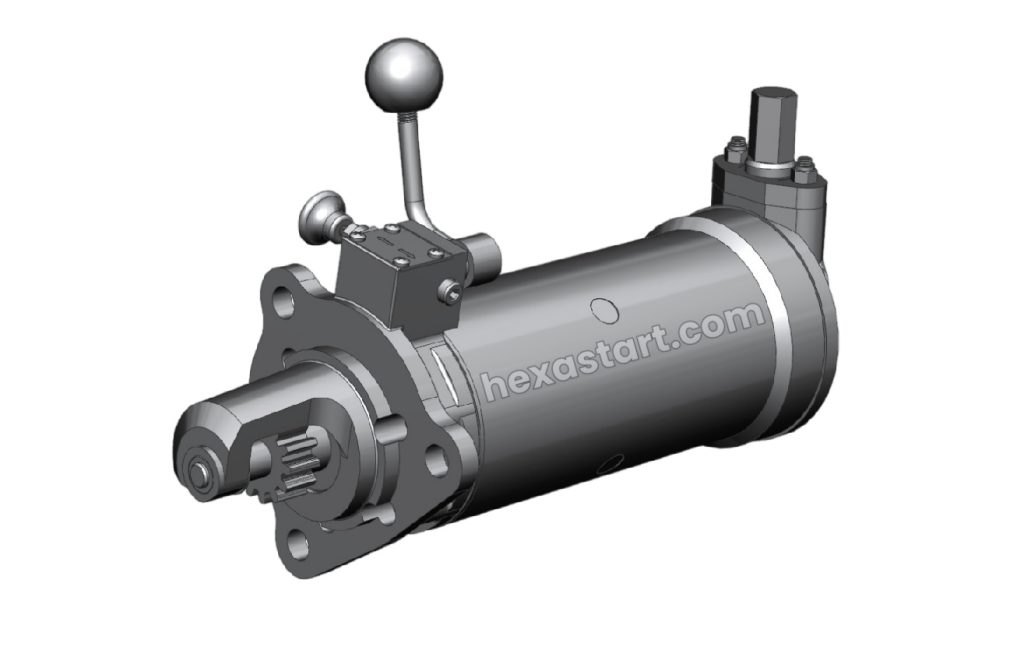
Spring Starters

Mechanical spring starters for emergency starting of diesel engines up to 50 L. No battery, compressed air or electrical supply needed, and no electrical sparks during starting.
View Spring Starters

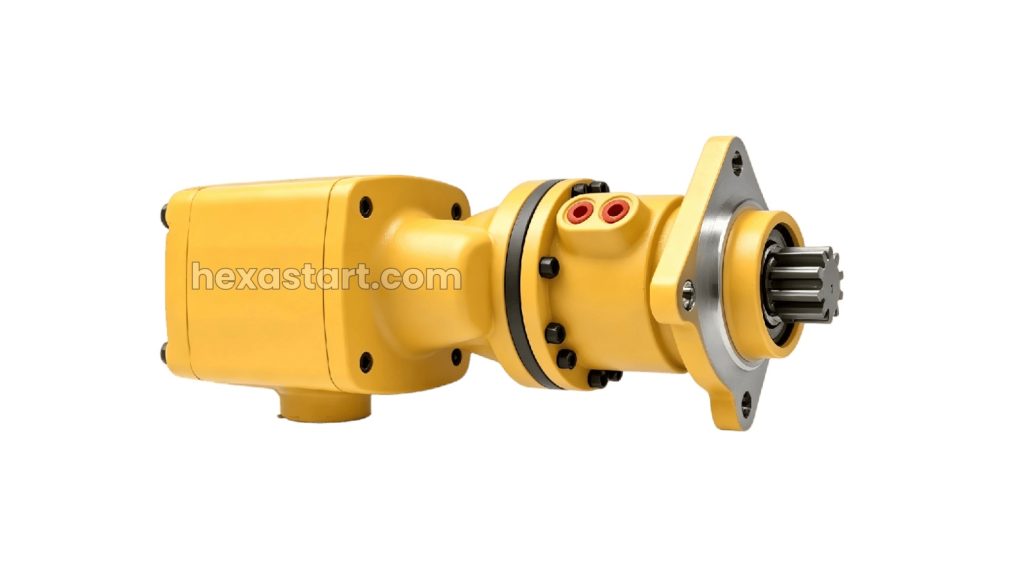
Air (Pneumatic) Starters

Three-stage turbine air starters for diesel engines up to 250 L. No electrical sparks; the modular housing rotates through 360° for easy installation.
View Air Starters

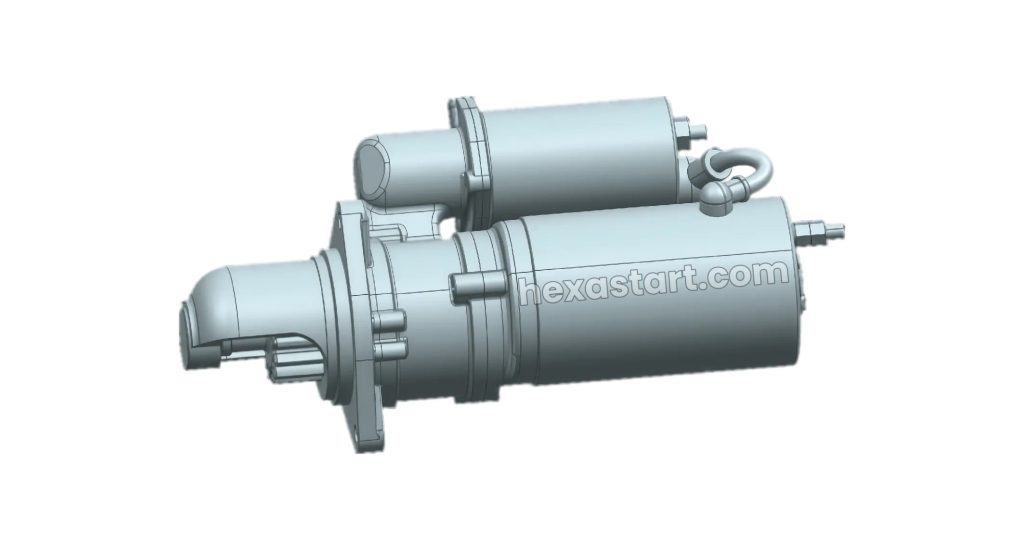
High-Torque Electric Starters

The QD21129 (rated 11 kW) can replace a dual-starter configuration on large engines, mainly matched to Mitsubishi S16R series and Shanghai Mitsubishi series engines.

View High-Torque Electric Starters

Six Strengths in Engine Starting

Six strengths behind the name HEXASTART.

01

High Breakaway Torque

Heavy-duty starting for large-displacement engine sets. One QD21129 can replace a dual-starter arrangement.

02

Built for Demanding Environments

Designed for marine, oil & gas and mining, with high- and low-temperature options. Spring starters are purely mechanical, with no electrical spark hazard.

03

Custom Engineering

Support for retrofits, limited space and non-standard flywheel housings, from standard SAE interfaces to full custom designs.

04

Wide Engine Coverage

Mid-size to very large diesel engines: spring starters up to 50 L, air starters up to 250 L, custom development beyond that range.

05

No-Electricity Black-Start

A hand-charged spring starter cranks the engine with no battery, electricity, compressed air or hydraulic power.

06

Multi-Power Versatility

Pneumatic, mechanical spring and high-torque electric: we recommend the best fit for your site conditions.

Industries We Serve

Starting Solutions for Data Center Generators

  • Data center generators stand idle for long periods, yet must start as soon as mains power is lost. Large-displacement engines often use twin starters, which means more wiring, more relays and more parts that all have to work together.
  • One starter in place of two. A single high-power electric starter can replace a twin-starter arrangement on large-displacement engines, with fewer components in the starting system.
  • Simpler layout. With no second starter to mount and wire, the starting system is easier to lay out, which helps in compact enclosures.

Starting Solutions for Emergency Equipment
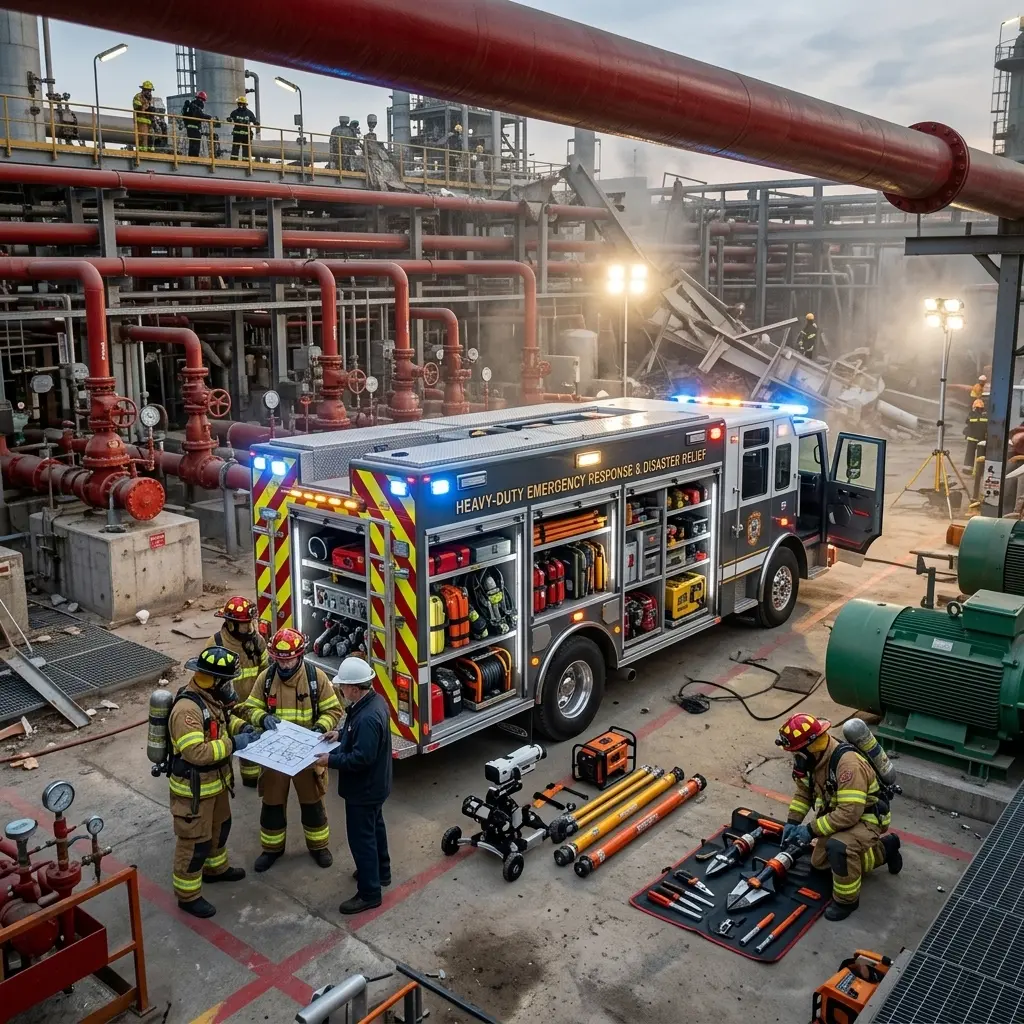
  • Flood drainage pumps, emergency generators and rescue equipment may sit unused for months, then be needed when power is out and there is no time to deal with a flat battery.
  • No batteries, no compressed air, no mains. A spring starter stores starting energy mechanically, so starting does not depend on any external supply.
  • Wound by hand, started by a push. Energy is stored by turning the winding handle; pushing the trip lever releases it directly to the flywheel ring gear to crank the engine.
  • Easy to retrofit. For engines up to 50 L, replacing an electric starter requires no flywheel housing modification.

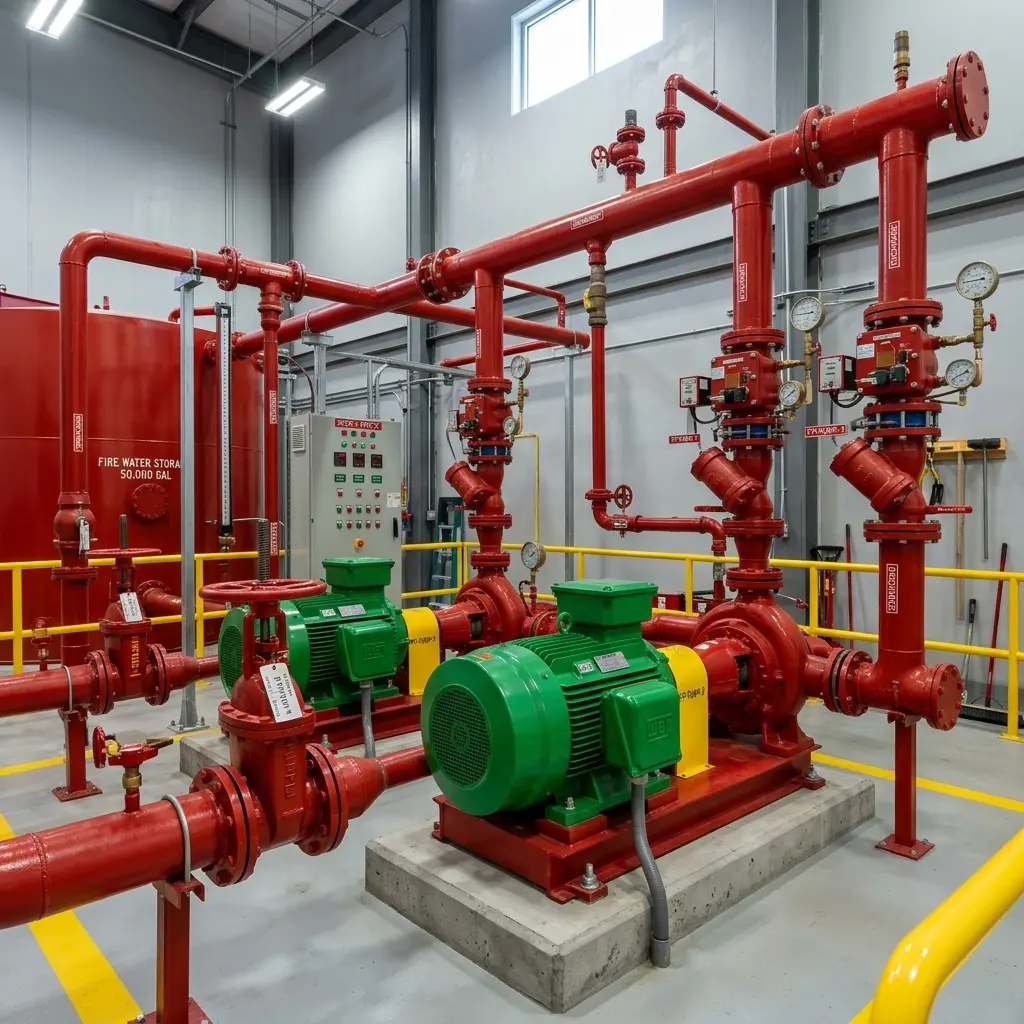
Starting Solutions for Firefighting

  • A fire pump engine may stand by for long periods, yet it must start the first time it is called on, often when mains power has already failed. Batteries lose charge over long standby periods, and a starting system that relies on electrical supply adds one more point that can fail.
  • Independent of electrical power. A spring starter does not depend on batteries, mains power or electrical solenoids, so battery self-discharge during standby is not a factor.
  • Energy stored by hand. Operators can wind the starter by hand and start the pump even during a total electrical failure.
  • Upgrade existing pump sets. Replacing an electric starter on an existing fire pump set requires no flywheel housing modification.

Starting Solutions for Marine Engines

  • Emergency generators and fire pumps on board must be able to start from a dead-ship condition, when batteries, switchboards and air receivers may not be available. Engine room space is limited, and older engines often have non-standard flywheel housings that make starter replacement difficult.
  • An independent backup for emergency sets. Spring starters can start emergency generator sets and fire pumps without the vessel’s batteries, air receivers or switchboards. Starting energy is stored by hand.
  • Air starters for larger engines. Powered from the ship’s compressed air, our air starters use a three-stage turbine design, and cover engines up to 250 L.
  • Fitted to older engines. We provide custom designs for non-standard flywheel housings, for maintenance replacement or fleet retrofits.

Starting Solutions for Mining Equipment
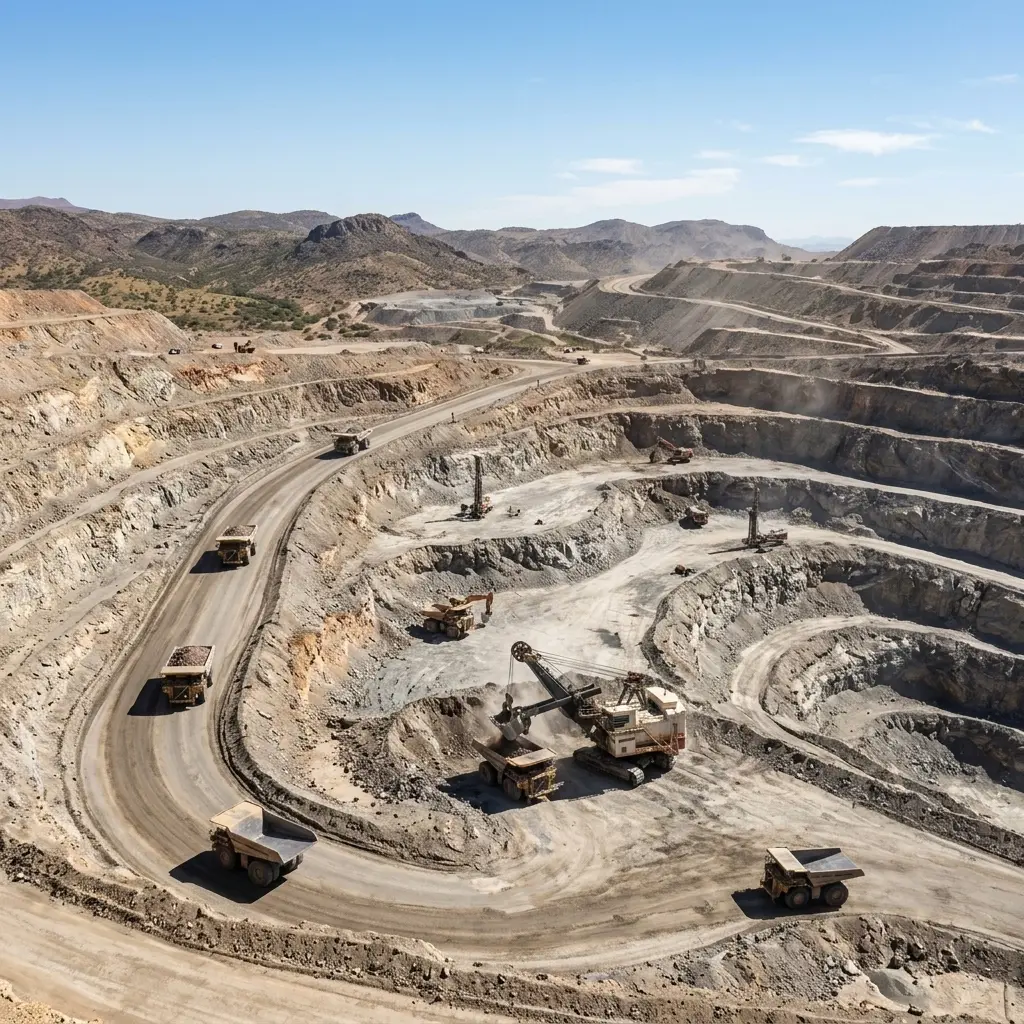
  • Mine sites combine dust and humidity with environments where gas or dust hazards make electrical sparks a concern. Heavy diesel equipment is started many times a day, and when the main air supply or power is lost, generators and pumps still have to start.
  • No electrical sparks. Air and spring starters do not produce electrical sparks, suited to environments where gas or dust hazards are a concern.
  • Uses the compressed air already on site. Air starters (up to 250 L) run on standard mine compressed air systems, suited to frequent starting.
  • A backup when air is unavailable. Spring starters (up to 50 L) provide a mechanical backup starting method for generator sets and pump stations.

Starting Solutions for Oil & Gas Equipment

  • Offshore platforms and oilfield sites often mean remote locations and demanding operating conditions.
  • Spark-free starting. Spring and air starters produce no electrical sparks during starting.
  • Repeated starting attempts. As long as air supply is maintained, air starters allow multiple, continuous starting attempts.
  • An independent backup. Spring starters back up emergency fire pumps and standby generator sets.

Frequently Asked Questions

A: We offer three main starting technologies: high-torque electric (for applications such as data center generators, where a single starter can replace a dual-starter setup), mechanical spring (a backup starting method, independent of electrical power, for firefighting, emergency rescue and marine EDGs), and pneumatic (spark-free, high-frequency starting for oil & gas and mining). Our engineering team can help you select the most suitable option for your site conditions.

A: Yes, in many applications. Our QD21129 (11 kW) is designed with high initial breakaway torque for large-displacement diesel engines. A single unit can replace a traditional parallel twin-starter arrangement with fewer components to procure and maintain.

A: The spring starter stores mechanical energy when the winding handle is turned by hand. Pushing the trip lever releases the stored energy to crank the engine, with no batteries, compressed air or electric solenoids involved. It requires no battery replacement and is designed for low maintenance.

A: Yes. Mechanical spring starters are driven mechanically and produce no electrical sparks during starting. Our spring starters also use a pre-engaged pinion design, in which the pinion fully meshes with the flywheel ring gear before cranking torque is applied. Requirements for hazardous areas vary by site, so please contact us with your operating conditions.

A: In many cases, replacing an electric starter with a spring starter requires no flywheel housing modification. Fitting a spring starter alongside an electric starter requires a twin-starter flywheel housing; if the housing has only one mounting hole, a custom dual-lug flywheel housing is required. Please contact us with your engine model and flywheel housing details.

GET A QUOTE & TECHNICAL PROPOSAL

Tell us your engine. We’ll size the starter.

Please send your engine maker, model, displacement and number of cylinders. Flywheel housing and ring gear details help too.

Your information is kept confidential and used only to respond to your inquiry.